What Is Early Childhood Education? Meaning, Importance & How It Works

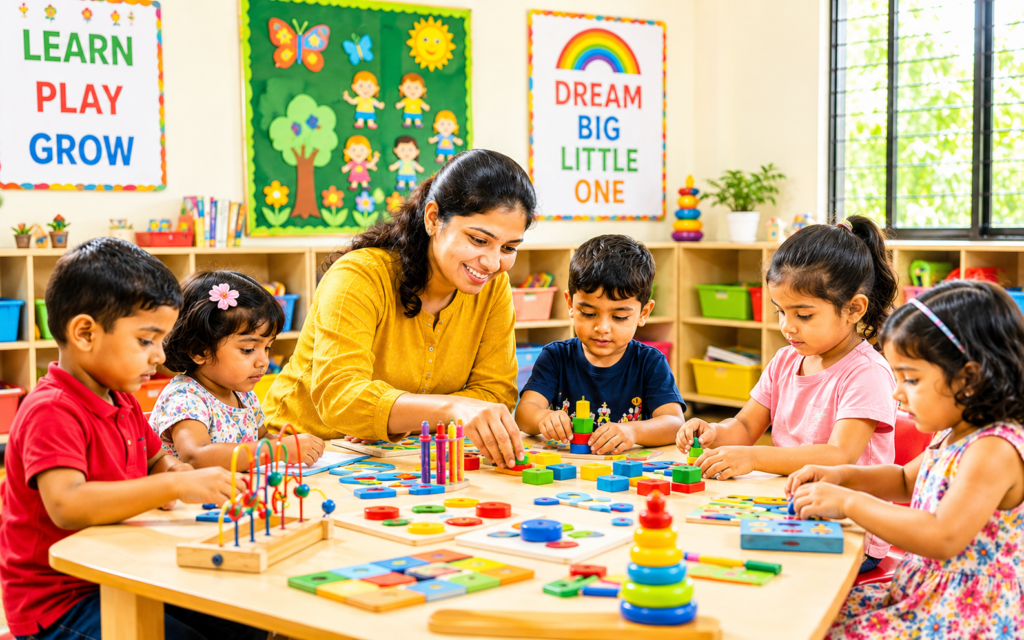
Learn what early childhood education means, why it matters, how young children learn, and how parents and teachers can support early learning and development.
Introduction
One of the greatest privileges of my career has been interacting with young children at the beginning of their learning journey. During the last 20 years, I have worked with more than 10,000 students and guided thousands of parents. Although many children joined my classes during their school years, I often realised that the habits they developed during early childhood continued to influence their confidence, learning ability, communication skills, handwriting, and personality. Many parents ask me, “What is the right age to start learning?” My answer has always been simple. Learning begins much earlier than formal schooling. Every conversation, every story, every smile, every question, and every experience shapes a child’s developing mind. Modern educational research supports what many experienced teachers have observed for years—the early years of life create the foundation for lifelong learning. In this article, I would like to combine practical classroom experience with well-established educational research to help parents and teachers understand why early childhood learning is so important.
What Is Early Childhood Learning?
Early childhood learning refers to the learning experiences that take place from birth until around eight years of age. During these years, children learn through observation, exploration, play, conversation, and everyday experiences. Learning is not limited to reading and writing. Children also develop language, emotions, social skills, creativity, problem-solving abilities, and self-confidence. Every positive experience contributes to healthy overall development.
Why the Early Years Matter So Much
Research consistently shows that the brain develops rapidly during the first few years of life. During my interactions with families, I have observed that children who receive love, encouragement, and meaningful learning opportunities often adapt more confidently when they begin school. These early years lay the foundation for future academic success and emotional wellbeing. Small daily experiences have a lasting influence. Every positive interaction matters.
Learning Begins at Home
Many parents believe education starts only after school admission. In my experience, the home is a child’s first classroom, and parents are the first teachers. Everyday conversations, storytelling, singing rhymes, playing simple games, and involving children in daily activities become valuable learning experiences. Children learn naturally through observation. A caring home environment creates confident learners.
Play Is Serious Learning
Children learn best when they enjoy the process. Educational research has repeatedly shown that play develops imagination, creativity, language, social interaction, and problem-solving skills. I encourage parents not to underestimate the value of constructive play. Building blocks, puzzles, pretend games, drawing, and outdoor activities all contribute to learning. Play and education work beautifully together.
Language Development Starts Early
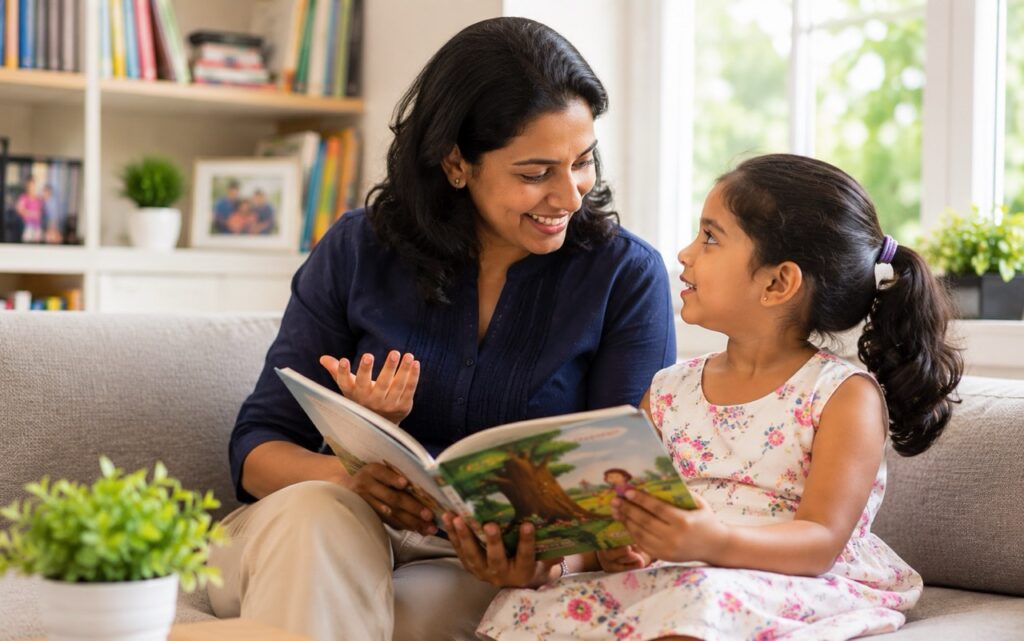
One lesson I have learned over the years is that children absorb language much faster than adults realise. Talking regularly with children, reading stories aloud, and encouraging conversations enrich their vocabulary naturally. I often tell parents that meaningful communication is far more valuable than simply asking children to memorise words. Strong language skills improve confidence and future academic performance. Communication begins with listening.
Reading Habits Can Begin Before School
Many parents ask me when children should start reading books. Even before children learn to read independently, looking at picture books and listening to stories develops imagination and curiosity. I have observed remarkable improvements in language and confidence among children who grow up in homes where books are part of everyday life. Reading together also strengthens emotional bonding. Books become lifelong friends.
Emotional Security Supports Learning
Children learn best when they feel emotionally safe. Research highlights that secure relationships with parents and caregivers encourage exploration and confidence. I have noticed that children who receive patient encouragement are more willing to ask questions and try new activities. Emotional support creates fearless learners. Confidence begins with feeling accepted.
Curiosity Is a Child’s Greatest Teacher
Young children naturally ask endless questions. Instead of becoming impatient, I encourage parents to welcome this curiosity. Every question represents a learning opportunity. Imagine your child confidently exploring the world with excitement instead of fear. Curiosity keeps learning enjoyable throughout life.
Routine Creates Confidence
Children feel secure when daily routines are predictable. Regular meal times, bedtime, playtime, reading time, and learning activities help children understand structure. During my interactions with families, I have seen that simple routines reduce anxiety and improve cooperation. Consistency helps children develop self-discipline naturally. Routine builds stability.
Positive Encouragement Builds Self-Belief
Every child enjoys appreciation. I have seen children transform when adults recognise sincere effort instead of expecting perfection. Encouraging words increase confidence and motivation. Imagine your child smiling proudly after completing a small task because someone noticed their effort. Positive encouragement creates lifelong confidence.
Screen Time Should Be Balanced
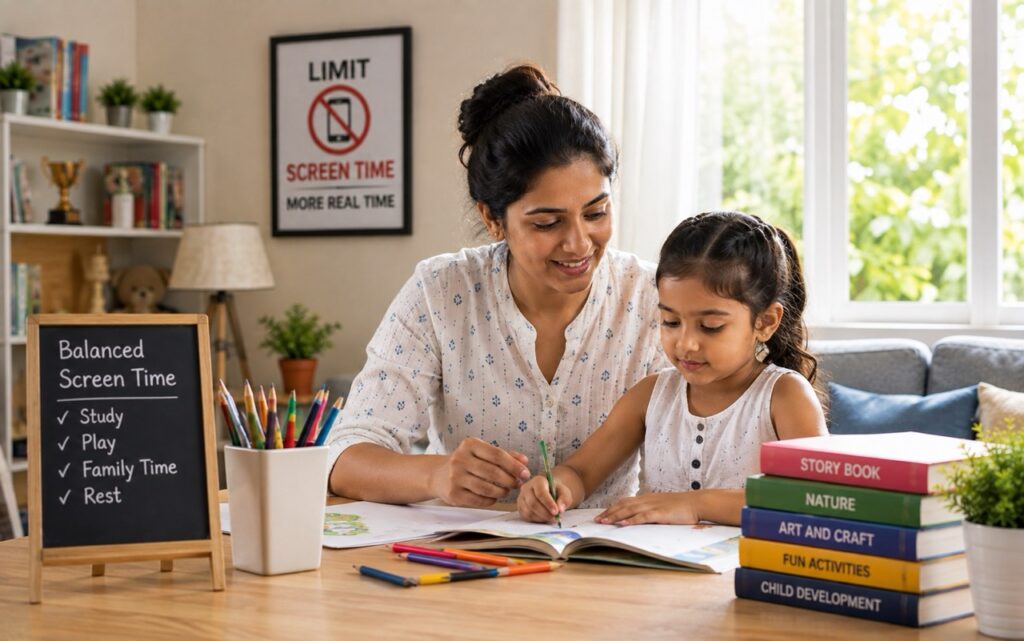
Technology can support learning when used wisely, but excessive screen exposure reduces opportunities for real-life interaction. Educational research recommends balancing digital learning with conversation, outdoor play, reading, and creative activities. I encourage parents to spend quality time engaging directly with their children. Human interaction teaches lessons that screens cannot replace. Balance is essential.
Good Nutrition Supports Brain Development
Healthy food nourishes both the body and the developing brain. Nutritious meals, proper hydration, and sufficient sleep improve attention, memory, and emotional regulation. I remind parents that learning and health are closely connected. Children who feel physically energetic often participate more actively in learning. Healthy habits support lifelong development.
Every Child Learns Differently
One of the most rewarding parts of my profession has been observing the uniqueness of every child. Some children enjoy drawing, others enjoy storytelling, music, movement, puzzles, or practical activities. Educational research also recognises that children develop at different rates. I encourage parents to appreciate individuality instead of making comparisons. Every child has their own learning journey.
Teachers and Parents Must Work Together
A child’s development becomes stronger when parents and teachers communicate openly. Sharing observations about behaviour, interests, strengths, and challenges helps create consistent support. During my career, I have witnessed excellent progress when families and educators worked as partners. Teamwork benefits children enormously. Shared guidance creates better outcomes.
Early Learning Builds Lifelong Skills
Early childhood education is not only about preparing children for school. It develops confidence, communication, creativity, responsibility, empathy, and resilience. These qualities continue supporting children throughout adulthood. I often remind parents that academic success becomes stronger when life skills develop alongside knowledge. Learning shapes character as well as intelligence.
From My Experience: Every Child Is Ready to Learn
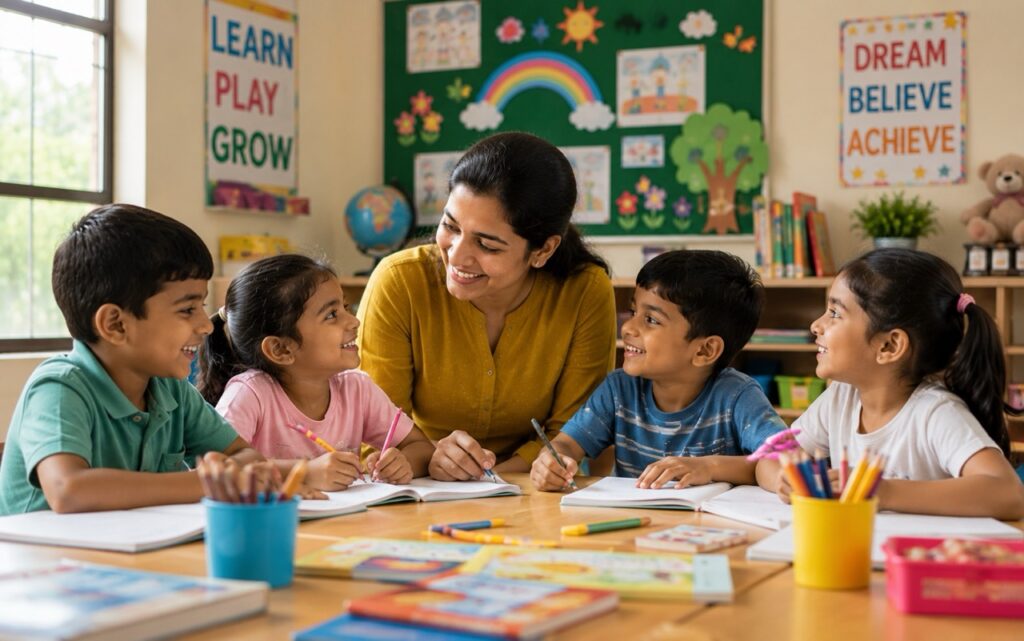
After teaching more than 10,000 students, one truth has become very clear to me. Every child is naturally eager to learn when the environment is encouraging and enjoyable. I have seen quiet children become expressive, hesitant learners become confident, and shy children begin participating actively simply because they were guided patiently. Imagine your child discovering the joy of learning every single day. That joy becomes the foundation for future success.
From My Experience: Parents Influence Learning More Than They Realise
During my interactions with thousands of parents, I have observed that children imitate attitudes more than instructions. A parent who enjoys reading, asks thoughtful questions, speaks respectfully, and encourages curiosity quietly teaches powerful life lessons. Children notice these habits every day. Positive examples leave deeper impressions than repeated advice. Your everyday actions become your child’s education.
From My Experience: Small Daily Habits Create Extraordinary Growth
Many people look for expensive educational programmes to help children succeed. My experience has shown that simple daily habits often produce the greatest results. Reading together for fifteen minutes, talking during meals, encouraging creativity, appreciating effort, and spending quality family time create meaningful development. Small positive changes made consistently can create extraordinary long-term results. Growth happens one day at a time.
Key Takeaways
Research and practical classroom experience both confirm that early childhood is one of the most important stages of learning. A loving home, meaningful conversations, play, reading, healthy habits, emotional security, and positive encouragement all contribute to balanced development. Every child learns differently and deserves patience rather than comparison. Parents and teachers working together create the strongest learning environment. The experiences children receive during their early years become the building blocks of their future.
Conclusion

Early childhood learning is an investment whose benefits continue throughout life. The values, habits, confidence, and curiosity developed during these years influence academic achievement, relationships, emotional wellbeing, and personal success. Every parent and teacher has the opportunity to shape a child’s future through simple daily interactions. Begin with love, continue with patience, and celebrate every small milestone. A strong beginning often leads to a remarkable future.
A Message from my Heart
Throughout my journey of more than 20 years as an educationist, handwriting expert, grapho therapist, personality development trainer, and founder of HandwritingAone.Com, I have had the wonderful opportunity to meet thousands of children at different stages of their educational journey. Looking back, one lesson stands out more clearly than any other: the strongest foundations for success are often built during the earliest years of childhood.
To every parent, never underestimate the influence of your daily conversations, bedtime stories, encouraging words, warm hugs, and patient guidance. Your child may not remember every lesson you teach, but they will always remember how you made them feel while learning. Those moments become the roots of confidence, curiosity, and lifelong learning.
To every teacher, thank you for nurturing young minds with kindness and dedication. Your smile, your encouragement, and your belief in every child can inspire a lifetime of learning. Education is not only about teaching subjects; it is about shaping character, confidence, and hope.
To every child, remember that learning is a beautiful adventure. Never be afraid to ask questions, make mistakes, explore new ideas, or discover your unique talents. Every great achievement begins with curiosity and the courage to learn something new.
Over the years, I have seen children who were once shy become confident communicators, hesitant learners become enthusiastic readers, and ordinary classroom moments turn into extraordinary transformations. These changes were not the result of pressure or perfection. They happened because children were surrounded by love, encouragement, meaningful experiences, and patient guidance.
Imagine your child growing into a confident, kind, creative, and responsible individual who enjoys learning every day. That future begins with the small choices we make today. Read together, play together, talk together, learn together, and celebrate every little step forward.
Small positive experiences, repeated consistently during the early years, can create extraordinary lifelong results. Let us work together to give every child not just a good education, but also a joyful childhood filled with confidence, curiosity, compassion, and endless opportunities to grow.
About the Author
R. Bhashkar
Founder & Chief Mentor, HandwritingAone.com
Educationist, Handwriting Expert, Qualified Handwriting Analyst, Calligrapher, Grapho Therapist & Personality Development Trainer with over 20 years of practical experience.
-
20+
Years of
Experience -
10,000+
Students
Trained -
25,000+
Handwriting
Analyses -
Trusted by
Parents, Students
& Educators
Our mission is to help every individual Learn, Improve & Prosper in their personal and academic journey.
Take the Next StepTowards Better Learning
Every student is different. With the right guidance, practice and encouragement, meaningful improvement is possible. If you would like professional guidance for your child or yourself, explore our learning programmes or speak with our team.
20+ Years of Experience10,000+ Students TrainedTrusted by Students & Parents