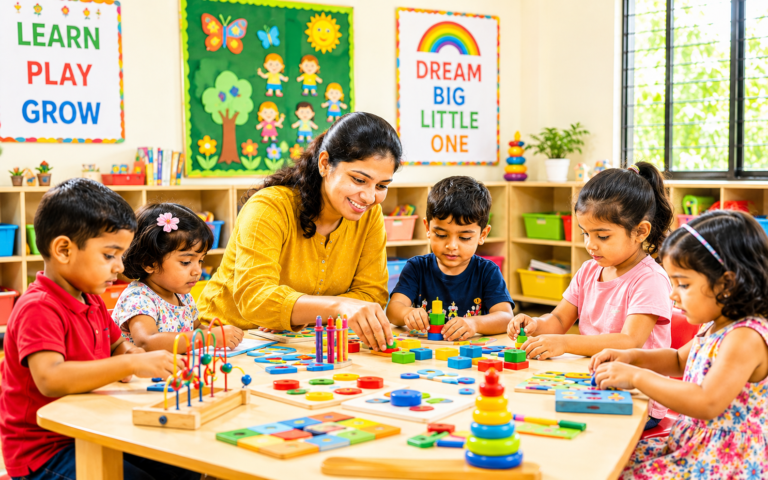
Best Parenting Tips for Indian Parents


Discover the best parenting tips for Indian parents. Learn practical strategies to build confidence, discipline, emotional intelligence, and strong family values while supporting your child's academic and personal growth.
Parenting is one of life’s greatest blessings, but it also comes with its share of challenges. Every parent dreams of seeing their child grow into a confident, kind, responsible, and successful individual. In today’s world, however, raising children has become more complex than ever before. Along with education and financial security, parents must also help children navigate technology, social media, peer pressure, and changing lifestyles. For Indian parents, the challenge is often finding the right balance between traditional family values and modern parenting practices. This article shares practical parenting tips that can help strengthen family relationships while supporting a child’s emotional, academic, and overall development.
Remember That Every Child Is Different
No two children are exactly alike. Each child has a unique personality, learning style, interests, and pace of development. Comparing your child with siblings, classmates, or neighbours often creates unnecessary pressure and lowers self-confidence. Instead, take time to understand your child’s strengths and encourage steady progress. When children feel accepted for who they are, they become more confident and willing to learn.
Build a Strong Bond with Your Child
A close relationship between parents and children begins with spending meaningful time together. Children feel safe and valued when they know their parents are available to listen without judging them. Simple moments like eating together, taking a walk, helping with homework, or talking before bedtime can strengthen this emotional connection. These everyday conversations often become the foundation of trust. More than expensive gifts, children value the attention and love they receive from their parents.
Communicate with Patience and Respect

Good parenting is built on healthy communication. Instead of giving constant instructions or correcting every mistake, try listening to your child with patience. Encourage them to share their thoughts, feelings, and concerns openly. Respectful conversations help children develop confidence in expressing themselves. Most family problems can be solved through calm discussions rather than arguments or harsh words.
Teach Values Through Your Actions
Children learn far more from what they see than from what they are told. They observe how parents speak, behave, and treat others every day. Demonstrating honesty, kindness, gratitude, discipline, and respect in your daily life teaches these values naturally. Small actions, such as helping others, speaking politely, or admitting your own mistakes, leave a lasting impression. Good character is developed first at home.
Have Realistic Expectations
Every parent wants their child to succeed, but expecting perfection in every subject or activity can create unnecessary stress. Children have different talents and interests, and success looks different for each one. Instead of focusing only on marks, appreciate consistent effort and improvement. Encouraging children to do their best without unrealistic pressure helps them enjoy learning. Healthy expectations build confidence instead of fear.
Praise the Effort, Not Just the Outcome
When parents appreciate only high marks or achievements, children may become afraid of making mistakes. Instead, recognise the hard work, dedication, and determination your child puts into learning. Appreciating effort teaches children that progress matters more than perfection. Constructive feedback helps them understand how they can improve. Encouragement motivates children to keep trying, even when things become difficult.
Create Healthy Daily Routines
Children thrive when they have structure in their daily lives. Regular timings for waking up, studying, playing, eating, and sleeping help them develop discipline and good time management skills. Predictable routines also reduce stress because children know what to expect each day. Over time, these healthy habits become part of their personality. Consistency at home often leads to greater success both inside and outside the classroom.
Manage Screen Time Sensibly
Technology has become an important part of children’s lives, and it certainly has educational benefits. However, excessive screen time can reduce concentration, physical activity, and family interaction. Instead of banning gadgets completely, set clear and reasonable limits. Encourage children to spend time reading, playing outdoor games, pursuing hobbies, or engaging in creative activities. Most importantly, parents should also demonstrate healthy screen habits themselves because children often copy what they see.
Encourage Independent Thinking
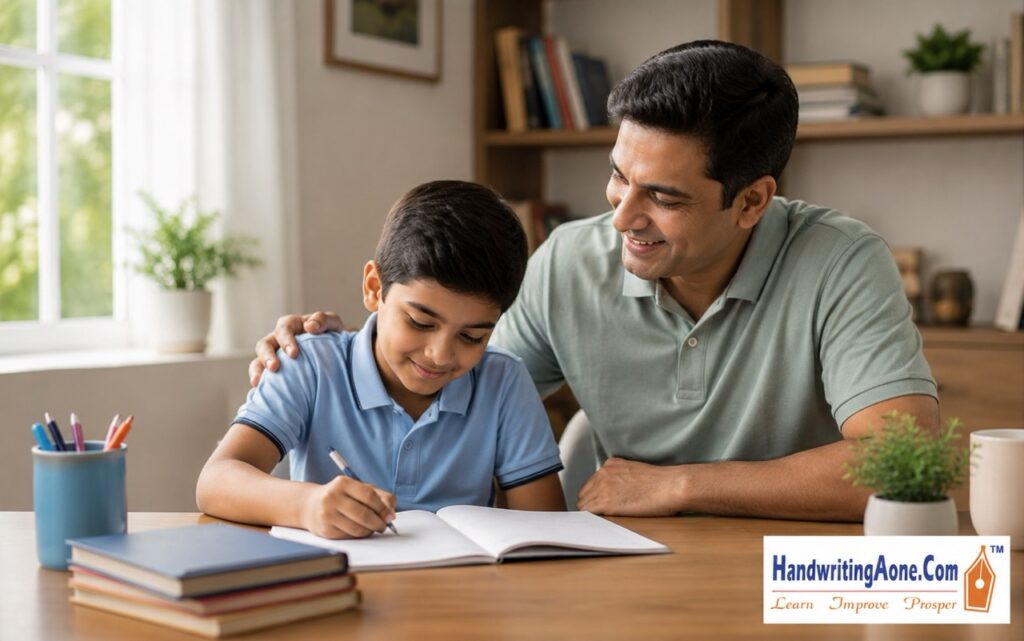
Children grow when they are allowed to think for themselves. Encourage them to ask questions, express their opinions, and make simple decisions appropriate for their age. While guidance is important, controlling every situation prevents children from becoming confident problem-solvers. Giving them opportunities to learn from their experiences prepares them for future challenges. Independence develops gradually with trust and encouragement.
Teach Responsibility Through Everyday Tasks
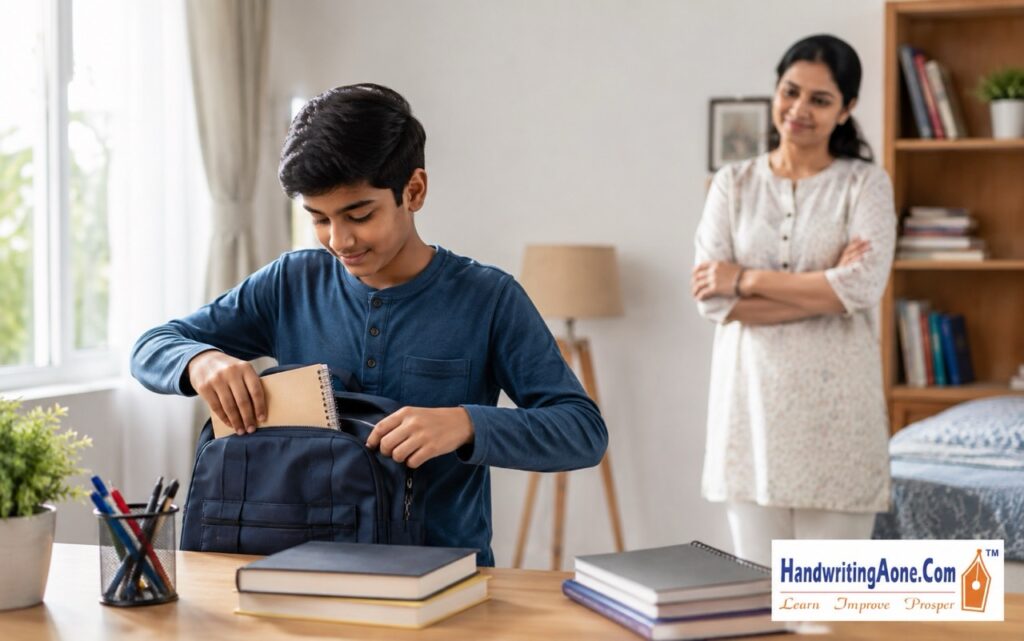
Responsibility begins with small daily habits. Asking children to organise their school bags, arrange their study table, keep their room clean, or help with simple household chores teaches valuable life skills. These small responsibilities help them understand accountability, discipline, and teamwork. Choose tasks that match their age and abilities. Over time, these simple habits build confidence and independence.
Support Learning Without Adding Pressure
Education plays an important role in every child’s future, but learning should never become a source of constant stress. Instead of focusing only on examination marks, encourage your child to understand concepts and enjoy the learning process. Create a peaceful environment for studying and help them develop effective study habits. Offer guidance whenever needed without constantly monitoring every minute of their study time. Children perform better when they feel supported rather than pressured.
Make Reading a Family Habit
Reading is one of the best gifts parents can give their children. It expands vocabulary, improves imagination, strengthens concentration, and develops communication skills. Keep a variety of books at home and encourage children to read a little every day. Reading together can also become a wonderful family activity that strengthens relationships. Even spending fifteen to twenty minutes with a good book each day can make a remarkable difference over time.
Help Children Accept Failure Positively
Failure is not the opposite of success; it is part of the journey towards success. Every child will face setbacks at some stage, whether in academics, sports, or personal life. Instead of criticising mistakes, help your child understand what went wrong and how they can improve. Emotional support during difficult times builds resilience and self-confidence. When children learn to handle failure positively, they become stronger and more determined.
Focus on Overall Well-Being
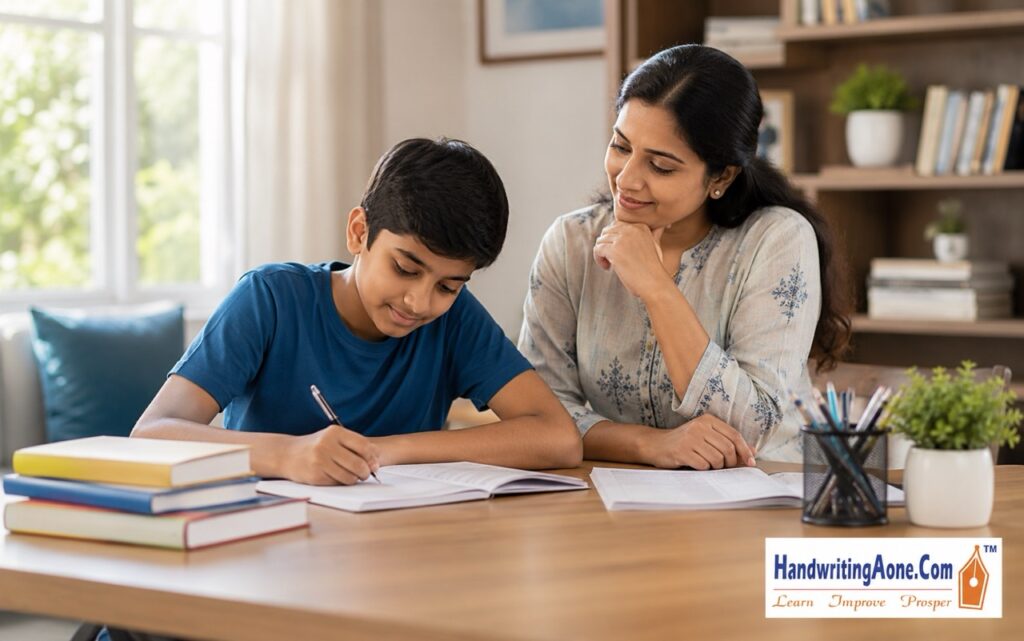
A child’s development is not limited to academics alone. Good physical health, emotional balance, and mental well-being are equally important. Encourage regular exercise, nutritious food, adequate sleep, and activities that help children relax and express themselves creatively. Hobbies such as music, drawing, sports, or reading can reduce stress while building new skills. Healthy children are happier learners and more confident individuals.
Be the Role Model You Want Your Child to Follow
Children watch their parents closely every day. They notice how you speak to others, solve problems, manage stress, and respond to challenges. If you want your child to be honest, disciplined, patient, and respectful, demonstrate those qualities yourself. Parents who practise what they teach naturally earn their children’s trust and respect. Actions always speak louder than words.
Talk Openly About Feelings
Children should know that it is perfectly normal to feel happy, sad, angry, worried, or disappointed. Encourage them to express their emotions without fear of being criticised or ignored. Listening with empathy helps children develop emotional intelligence and problem-solving skills. When children feel understood, they are more likely to approach their parents during difficult situations. Open conversations create stronger family relationships built on trust.
My Experience Working with Parents and Students
During the past 20+ years of working with thousands of students and their families, I have noticed one common pattern. The happiest and most confident children usually come from homes where parents communicate openly, encourage consistent effort, and provide emotional support. Academic success alone does not guarantee confidence or good character. Children flourish when discipline is balanced with warmth, understanding, and encouragement. In my experience, it is the small daily interactions—not occasional lectures—that leave the greatest impact on a child’s life.
Common Parenting Mistakes to Avoid
Many parents unknowingly compare their children with others, expect unrealistic results, criticise too often, or become inconsistent with discipline. Some also solve every problem on behalf of their children, preventing them from developing independence and decision-making skills. While every parent wants to protect their child, overprotection can sometimes do more harm than good. Mistakes should be viewed as opportunities to learn rather than reasons for punishment alone. Balanced parenting helps children grow into capable and responsible adults.
Key Lessons for Every Parent
Successful parenting is not about raising perfect children—it is about raising confident, responsible, compassionate, and emotionally healthy individuals. Open communication, realistic expectations, positive encouragement, healthy routines, and strong family values all play an important role in a child’s development. Parents should guide their children while gradually allowing them to become independent. Small positive habits practised every day often produce lifelong results. Patience, consistency, and unconditional love remain the greatest strengths of good parenting.
Final Thoughts
Parenting is a lifelong journey of learning, growing, and discovering alongside your child. There will be moments of joy, challenges, and valuable life lessons for both parents and children. By combining the values of Indian families with practical modern parenting approaches, parents can prepare their children not only for academic success but also for a meaningful and fulfilling life. Every child deserves a home where they feel loved, respected, understood, and encouraged to become the best version of themselves. In the end, the greatest gift parents can give is not a life without problems, but the confidence, values, and resilience to face every challenge with courage.
About the Author
R. Bhashkar
Founder & Chief Mentor, HandwritingAone.com
Educationist, Handwriting Expert, Qualified Handwriting Analyst, Calligrapher, Grapho Therapist & Personality Development Trainer with over 20 years of practical experience.
-
20+
Years of
Experience -
10,000+
Students
Trained -
25,000+
Handwriting
Analyses -
Trusted by
Parents, Students
& Educators
Our mission is to help every individual Learn, Improve & Prosper in their personal and academic journey.
Take the Next StepTowards Better Learning
Every student is different. With the right guidance, practice and encouragement, meaningful improvement is possible. If you would like professional guidance for your child or yourself, explore our learning programmes or speak with our team.
20+ Years of Experience10,000+ Students TrainedTrusted by Students & Parents