Best Personality Development Tips for Children


Discover practical personality development tips for children to build confidence, communication skills, emotional intelligence, independence, positive habits and social skills.
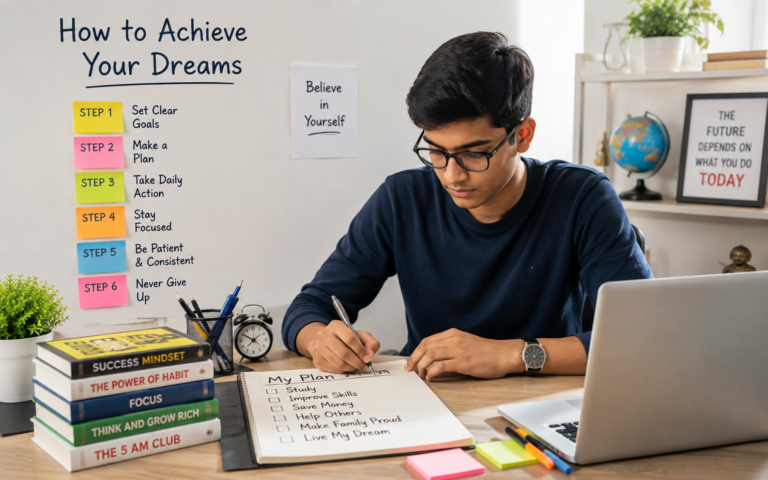
Every parent wishes to see their child grow into a confident, responsible, kind, and successful individual. Marks in school certainly matter, but over the last 20 years, I have realised that good character, confidence, communication skills, discipline, and a positive attitude often determine how well a child succeeds in life. During my interactions with more than 10,000 students and thousands of parents, I have seen children with average academic performance become extraordinary individuals simply because they developed a strong personality. Personality development is not about changing who a child is. It is about helping every child discover the best version of themselves. In this article, I would like to share practical personality development tips that I have personally found effective through years of teaching, mentoring, and observing children in real classroom situations.
Personality Development Begins at Home
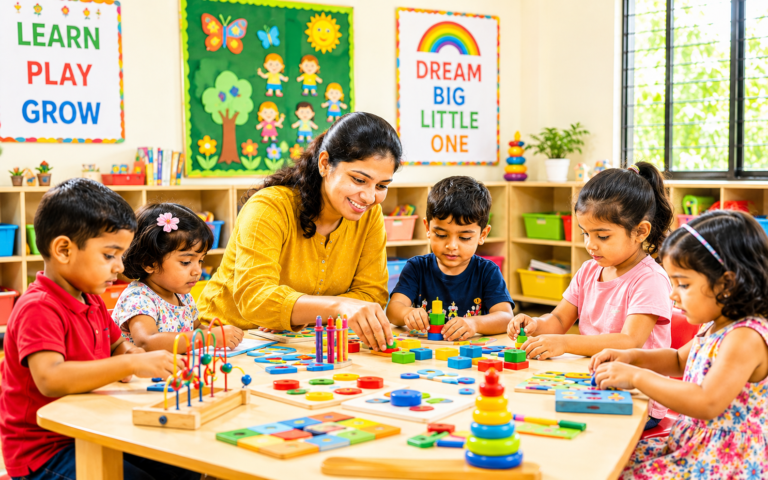
Many parents ask me when personality development should begin. My answer is always the same—it starts much earlier than most people imagine. Every conversation, every family habit, and every interaction teaches a child something valuable. Children quietly observe how adults behave and naturally imitate them. A loving, respectful, and positive home environment becomes the strongest foundation for building a healthy personality.
Build Self-Confidence One Step at a Time
Confidence is not something children are born with; it grows through positive experiences. I have seen remarkable improvements when children are appreciated for their sincere efforts rather than only their achievements. Small responsibilities, simple successes, and encouraging words gradually strengthen self-belief. Imagine your child beginning every new task with confidence instead of fear. That confidence becomes a lifelong companion.
Teach Children to Communicate Clearly
Good communication opens countless opportunities throughout life. During my classroom sessions, I encourage children to express their thoughts without hesitation. Speaking politely, listening carefully, and maintaining eye contact are simple habits that make a lasting impression. Children who communicate confidently often develop stronger friendships and perform better in interviews, presentations, and group activities. Communication is a skill that improves with regular practice.
Develop Positive Thinking from an Early Age
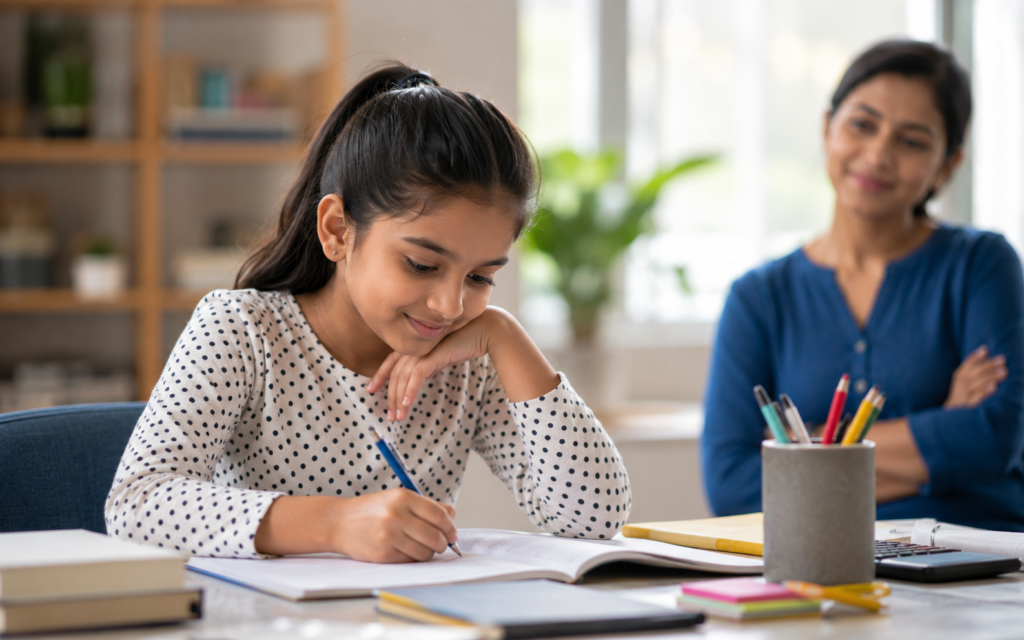
I often tell parents that children’s thoughts influence their actions more than we realise. A child who believes, “I can improve,” approaches challenges differently from one who thinks, “I cannot do this.” Positive thinking does not mean ignoring difficulties. It means believing that every challenge has a solution. Encouraging positive self-talk helps children become emotionally stronger and more resilient.
Encourage Good Manners and Respect
One lesson I have learned over the years is that good manners never go out of style. Saying “please,” “thank you,” and “sorry” may appear simple, but these words reflect humility and respect. Children who treat others kindly earn genuine appreciation wherever they go. Respect for parents, teachers, elders, friends, and even support staff creates a balanced and compassionate personality. Good manners become lifelong strengths.
Help Children Become Responsible
Responsibility develops gradually through everyday activities. I encourage parents to involve children in simple household tasks according to their age. Organising school bags, arranging study tables, watering plants, or helping with small chores teaches accountability. Children feel proud when trusted with responsibilities. This feeling naturally increases their confidence and maturity.
Teach the Value of Discipline
Many people misunderstand discipline as strictness. In my experience, discipline simply means doing the right thing consistently, even when no one is watching. Regular study habits, punctuality, cleanliness, and keeping promises build discipline naturally. Children who develop self-discipline usually perform better both academically and personally. Discipline creates freedom because organised children experience less stress.
Improve Emotional Intelligence
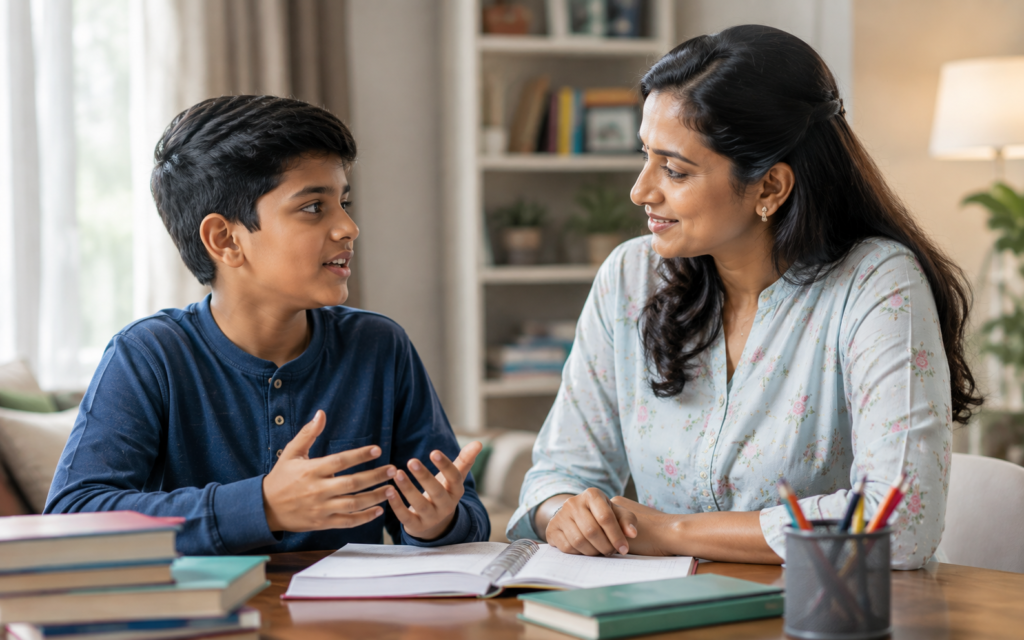
Academic intelligence is important, but emotional intelligence is equally valuable. I have observed that children who understand and manage their emotions build healthier relationships. Encourage children to express happiness, disappointment, frustration, and excitement in positive ways. Listening patiently to their feelings strengthens emotional security. Emotionally balanced children face life’s challenges with greater confidence.
Develop Good Listening Skills
Good listeners become better learners. During my workshops, I remind children that listening carefully is just as important as speaking confidently. Active listening improves understanding, reduces misunderstandings, and strengthens relationships. Children who genuinely listen also become more thoughtful and respectful individuals. Listening is a powerful personality trait that often goes unnoticed.
Encourage Reading Every Day
Books introduce children to new ideas, cultures, values, and experiences. I have seen children become more confident speakers simply because they developed a regular reading habit. Reading improves vocabulary, imagination, creativity, and critical thinking. Even fifteen to twenty minutes of daily reading creates noticeable improvement over time. Good books quietly shape strong personalities.
Build Leadership Through Small Opportunities
Leadership is not about giving orders. It begins with taking responsibility and helping others. I encourage children to participate in school activities, cultural programmes, sports, and group projects whenever possible. Small leadership opportunities teach decision-making, teamwork, and confidence. Every child has leadership potential waiting to be nurtured.
Teach Children to Handle Failure Positively
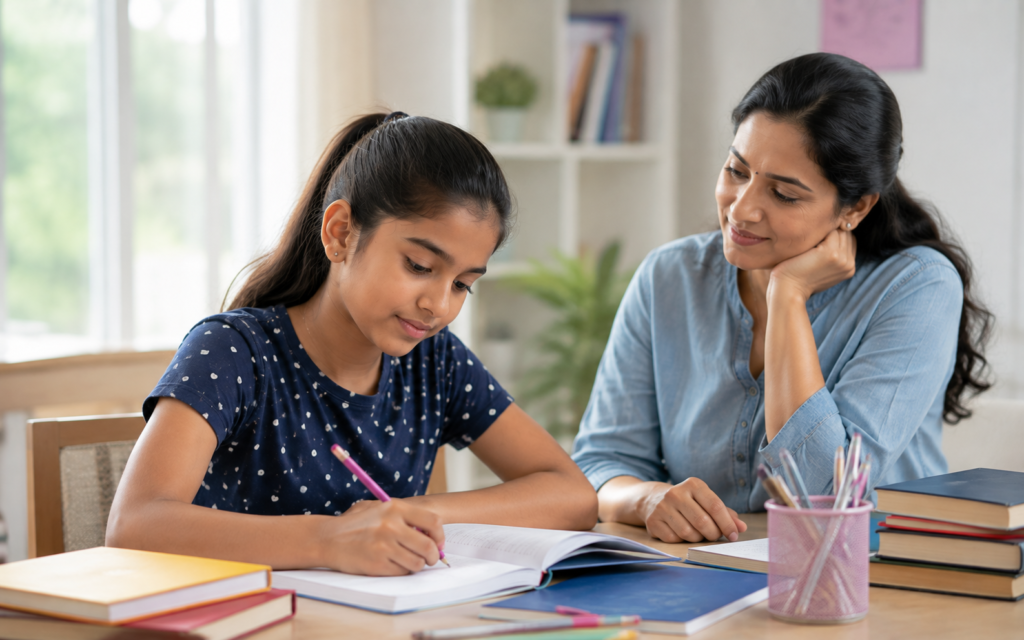
Failure is one of life’s greatest teachers. I have met students who believed one poor result defined their future. Fortunately, they later discovered that setbacks often become stepping stones to success. Encourage children to learn from mistakes instead of fearing them. Every failure contains a valuable lesson that builds resilience.
Reduce Screen Time and Increase Real-Life Experiences
Technology is useful when used wisely, but excessive screen time often limits real-world learning. I encourage families to spend more quality time together through conversations, games, outdoor activities, and shared experiences. These moments improve communication, creativity, and emotional bonding. Real experiences teach life skills that screens cannot replace. Balance is always the key.
Encourage Healthy Habits
A healthy body supports a healthy mind. Nutritious food, sufficient sleep, physical exercise, and proper hydration directly influence concentration, mood, and confidence. Children who feel physically energetic participate more actively in school and social activities. I often remind parents that personality development includes physical wellbeing too. Healthy habits become lifelong investments.
Appreciate Progress Instead of Perfection
One mistake I occasionally notice is expecting perfection from children. Every child develops at a different pace, and comparisons often reduce confidence. I encourage parents to celebrate improvement, however small it may seem. Imagine your child feeling excited about learning instead of worrying about making mistakes. Continuous progress is far more valuable than temporary perfection.
From My Experience: Every Child Has Hidden Strengths
After training more than 10,000 students, one truth has become very clear to me. Every child possesses unique abilities, even if they are not immediately visible. Some children shine through creativity, others through leadership, kindness, problem-solving, or communication. I have watched quiet children become confident speakers with patient guidance and regular encouragement. Every child deserves someone who believes in their potential.
From My Experience: Parents Shape Confidence Every Day
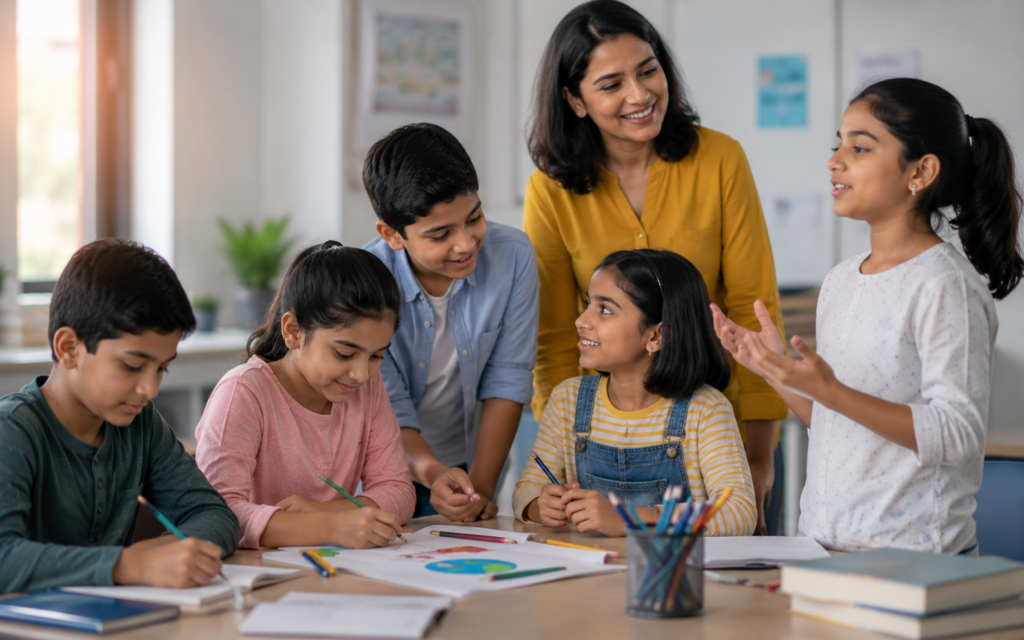
During my interactions with thousands of parents, I have realised that children remember encouragement much longer than criticism. A few positive words spoken sincerely can stay with a child for years. I often tell parents that confidence grows through acceptance, trust, and appreciation. Children who feel emotionally secure are more willing to take healthy risks and explore new opportunities. Your belief in your child becomes their inner strength.
From My Experience: Personality Development Is a Daily Journey
Many parents ask me how long personality development takes. I smile because there is no fixed timeline. Personality grows through small daily habits practiced consistently over months and years. I have seen children transform simply because they continued improving one habit at a time. Small positive changes made consistently can create extraordinary long-term results.
Key Takeaways
Personality development is a continuous process that begins with simple daily habits. Confidence, communication, discipline, emotional intelligence, responsibility, leadership, and kindness together create a balanced personality. Parents and teachers play an important role by encouraging children instead of comparing them with others. Every child learns differently and deserves patience, guidance, and appreciation. When positive habits become part of everyday life, children naturally grow into confident and responsible individuals.
Conclusion
Every child carries unlimited possibilities within them. Our responsibility is not to mould children into someone else but to help them discover their own strengths with confidence and character. Personality development is built through love, discipline, encouragement, and consistent guidance. Begin with one positive habit today and continue adding another every few weeks. Years later, you will be amazed to see how these small efforts have shaped a confident, compassionate, and successful individual.
A Message from My Heart
Dear Parents, Teachers, and Students,
Throughout my journey as an educationist, handwriting expert, grapho therapist, personality development trainer, and founder of HandwritingAone.Com, I have had the privilege of meeting thousands of wonderful children. Every child I have worked with has taught me an important lesson—no child is ordinary. Each one carries unique talents, dreams, and the ability to achieve something meaningful.
To every parent reading this, your words, your patience, and your encouragement have a greater influence than you may realise. A child who feels loved, respected, and believed in develops the confidence to face life’s challenges with courage. To every teacher, never underestimate the impact of your guidance. Sometimes, a single sentence of appreciation can inspire a child for years. And to every student, remember that true personality is not measured by appearance or popularity. It is reflected in your honesty, kindness, confidence, discipline, and willingness to keep learning.
I have seen children transform in remarkable ways when they receive the right guidance and practise positive habits consistently. Imagine your child growing into an individual who is confident in speaking, respectful in behaviour, responsible in actions, emotionally strong, and ready to contribute positively to society. This transformation is possible, and it begins with small steps taken every single day.
Always believe in progress rather than perfection. Keep learning, keep improving, and keep believing in yourself. The finest personalities are not created overnight—they are built patiently through good values, positive habits, and consistent effort. My sincere wish is that every child grows not only into a successful student but also into a confident, compassionate, and responsible human being who makes both the family and society proud.

About the Author
R. Bhashkar
Founder & Chief Mentor, HandwritingAone.com
Educationist, Handwriting Expert, Qualified Handwriting Analyst, Calligrapher, Grapho Therapist & Personality Development Trainer with over 20 years of practical experience.
-
20+
Years of
Experience -
10,000+
Students
Trained -
25,000+
Handwriting
Analyses -
Trusted by
Parents, Students
& Educators
Our mission is to help every individual Learn, Improve & Prosper in their personal and academic journey.
Take the Next StepTowards Better Learning
Every student is different. With the right guidance, practice and encouragement, meaningful improvement is possible. If you would like professional guidance for your child or yourself, explore our learning programmes or speak with our team.
20+ Years of Experience10,000+ Students TrainedTrusted by Students & Parents